Built for hospitality teams that need marketing to show its work.

Jay Street Media is a restaurant and hospitality performance marketing agency that turns people already searching for a table, a room, or a private dining room into website reservations, event inquiries, visits, and bookings on the property's own site, for independent restaurants, restaurant groups, and boutique hotels. Every dollar gets a line on a monthly scoreboard an owner can read between services, including the months that go backwards.

What Jay Street actually does

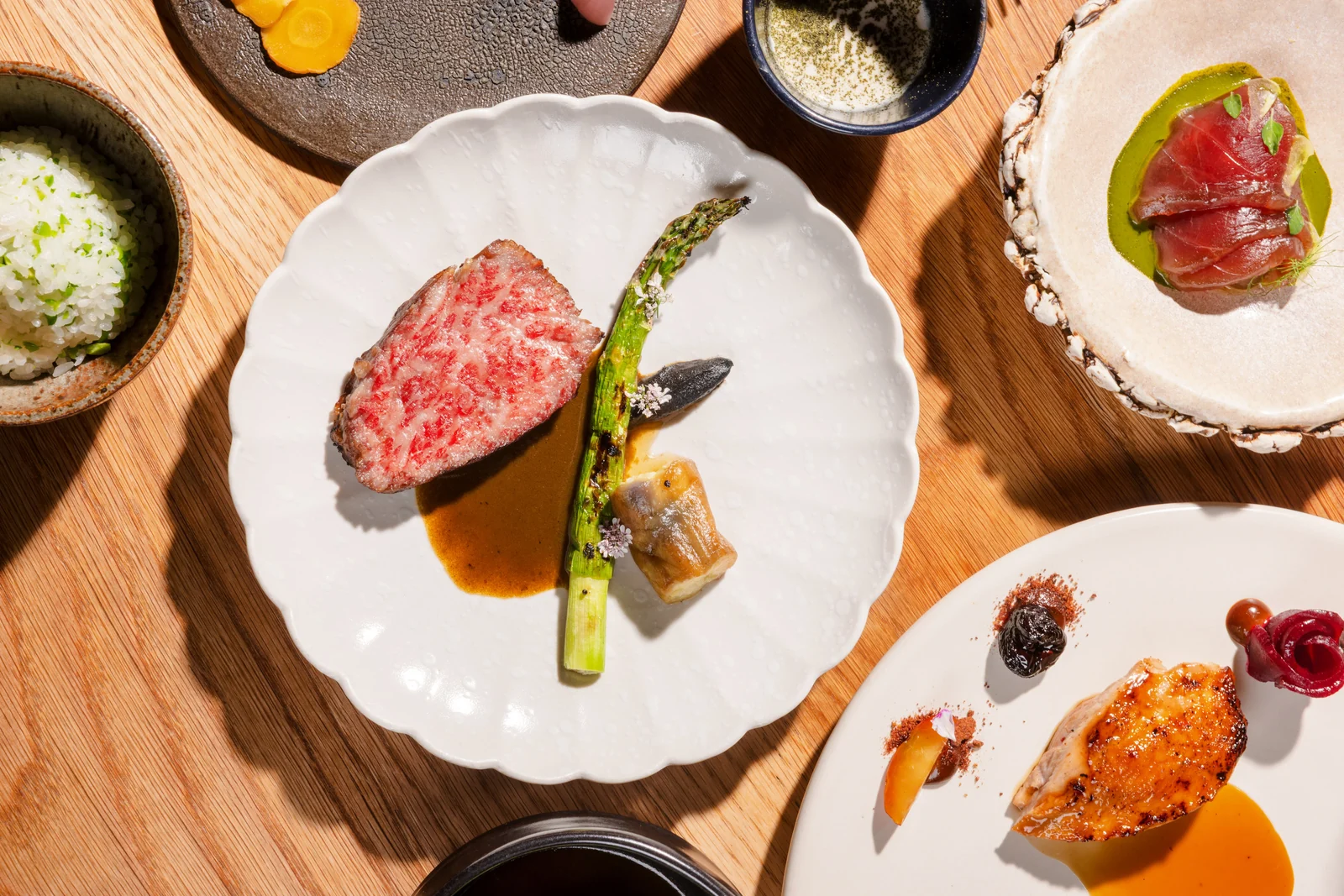
Plated dishes on a wooden pass in daylight: sliced wagyu with grilled asparagus, tuna crudo in herb oil, herbed rice, and a glazed poultry course.

Seven jobs. Each one has a defined outcome. None of them is "more impressions."

01

Search & Maps Advertising

Foot traffic-focused campaigns and private event-focused campaigns on Google Search and Maps, with Apple Maps listings prepared now and the ads being tested since they went live in August 2026. Dining-room ads get credit for calls, directions, reservation clicks, and confirmed visits. Event ads only get credit when someone sends an inquiry, so the owner can see website reservations and walk-in demand apart from event inquiries.

Confirmed restaurant visits are Google's count of people who walked in after seeing the ad. It is not a cover count, and it can overlap with direction requests.

02

Google Business Profile & Local Discovery

The profile is run as a second website, with photos, menus, hours, posts, reviews, and service details kept current. It is measured in profile views, calls, and direction requests, compared year over year once a location has twelve months of history. The owner outcome is more calls and direction requests from people nearby who have not picked a room yet.

03

Restaurant SEO & Local Search

The winnable ground is the map pack, the profile, neighborhood terms, private dining, and signature dishes. Head terms like best restaurants belong to aggregators, and we say so rather than bill for chasing them. Technical work and structured data keep the restaurant readable to search engines and AI assistants, so a nearby guest can find the room and book.

04

Private Events & Catering

Private event-focused campaigns for corporate dinners, holiday parties, buyouts, rehearsal dinners, and catering, kept on their own scoreboard. The inquiry form is proven to land a test send in the inbox before any budget goes live. Map taps and page visits are never counted as event leads, so the owner sees sent inquiries.

05

Paid Social

Instagram, Reels, and Stories used as distribution rather than posting. The tracking on the site ties reservation clicks and event inquiries back to the ad that earned them, alongside saves and engagement that show which content travels. The owner outcome is website reservations and sent event inquiries, not a pile of likes.

06

Measurement & Reporting

Tracking is built around calls, directions, reservation clicks, forms, event inquiries, restaurant visits where available, and revenue signals, with each real action counted once. The monthly report answers what to cut, what to fund, and what a dollar produced. An owner can read it between services, including the months that go backwards.

07

Hyperlocal Brand Prominence

When someone nearby searches, your logo and a line of copy sit at the top of the map instead of a gray pin. That is the Maps face of the foot traffic-focused campaigns, not a separate product that reaches people before they search. The owner outcome is direction requests and confirmed visits from people already looking nearby.

Figures on the service pages are labeled where they are forecasts rather than booked revenue. Expected event pipeline is a forecast. It is not booked-event revenue.

What makes Jay Street different

You work with Jarod

Jarod leads strategy and accountability. Before work starts, confirm the daily contact, who handles each part of delivery and any outside support.

The monthly scoreboard names the restaurant result

Keep reservation-link clicks, completed bookings and platform-reported visits distinct. Event reporting starts with sent inquiries, then uses the venue's feedback about qualification and bookings. Explain each source and its limits before using the results to change budget.

The background is Google, including Apple and Maps

Jarod spent more than six years at Google in advertising. He worked with thousands of small businesses to help them grow, then joined the dedicated Apple team, helping sell more through Apple's online store and drive foot traffic into Apple Stores across YouTube, Search, and Shopping. That Apple and Maps work is where he learned how Maps moves foot traffic from a search to the door, the same path a diner takes. His final years were SEO and Google Maps, where restaurants are discovered. The full arc is under Who you'll work with, below.

A generalist agency or a PR firm is a different hire

Hire a generalist when the job is a rebrand or work outside hospitality. Hire a PR firm when the bottleneck is press, awards, or reputation. Those are real jobs. They do not fill Tuesday or put a private-event inquiry in the inbox. PR and performance marketing, compared.

A POS ad tool is a different product

A POS ad tool can fit a small online-ordering budget that wants to stay inside the register. The POS holds the ad account, and the scoreboard leans toward online orders. Jay Street is the hire when you want accounts the restaurant owns, and a scoreboard of website reservations, event inquiries, in-store visits, and bookings on your own site. Which marketing partner a restaurant group should choose.

We do not buy your name

Left alone, Google Ads spends on people already typing the restaurant's name and counts those clicks like new customers. That flatters the scoreboard and wastes the budget.

For restaurants, Jay Street does not buy the name. Those guests find you on Maps and your own site anyway. Paid search is for people who have not chosen yet.

Irrelevant queries burn money the same way. A pizza restaurant showing for "best sushi near me" keeps spending until someone reads the search terms and cuts them. That trim happens every week, not once at the start.

If you run a hotel, we do buy the name, because travel sites bid on it, and we show that spend on its own line so it cannot flatter itself as new demand.

Who this is for

This works when there is a clear need to attract guests, generate event inquiries or understand what advertising produced. California restaurant groups are our main focus. Smaller and larger operators are welcome when their needs match the work; scope and pricing are discussed privately.

  • Multi-location restaurant groups and hospitality groups, with each location read against itself.
  • Serious independents, including fine dining and MICHELIN-level rooms. That is a core fit Jarod wants to keep earning.
  • Boutique hotels and small hotel groups that want bookings on their own site.
  • The home market is the San Francisco Bay Area, with select engagements in Los Angeles and New York, and hospitality groups in other markets when the fit is right.
  • Owners and operators, not marketing committees.

Hire someone else when the bottleneck is press, a rebrand, daily content, or influencer management. Those are real jobs. They are not the job I sell.

Who you'll work with

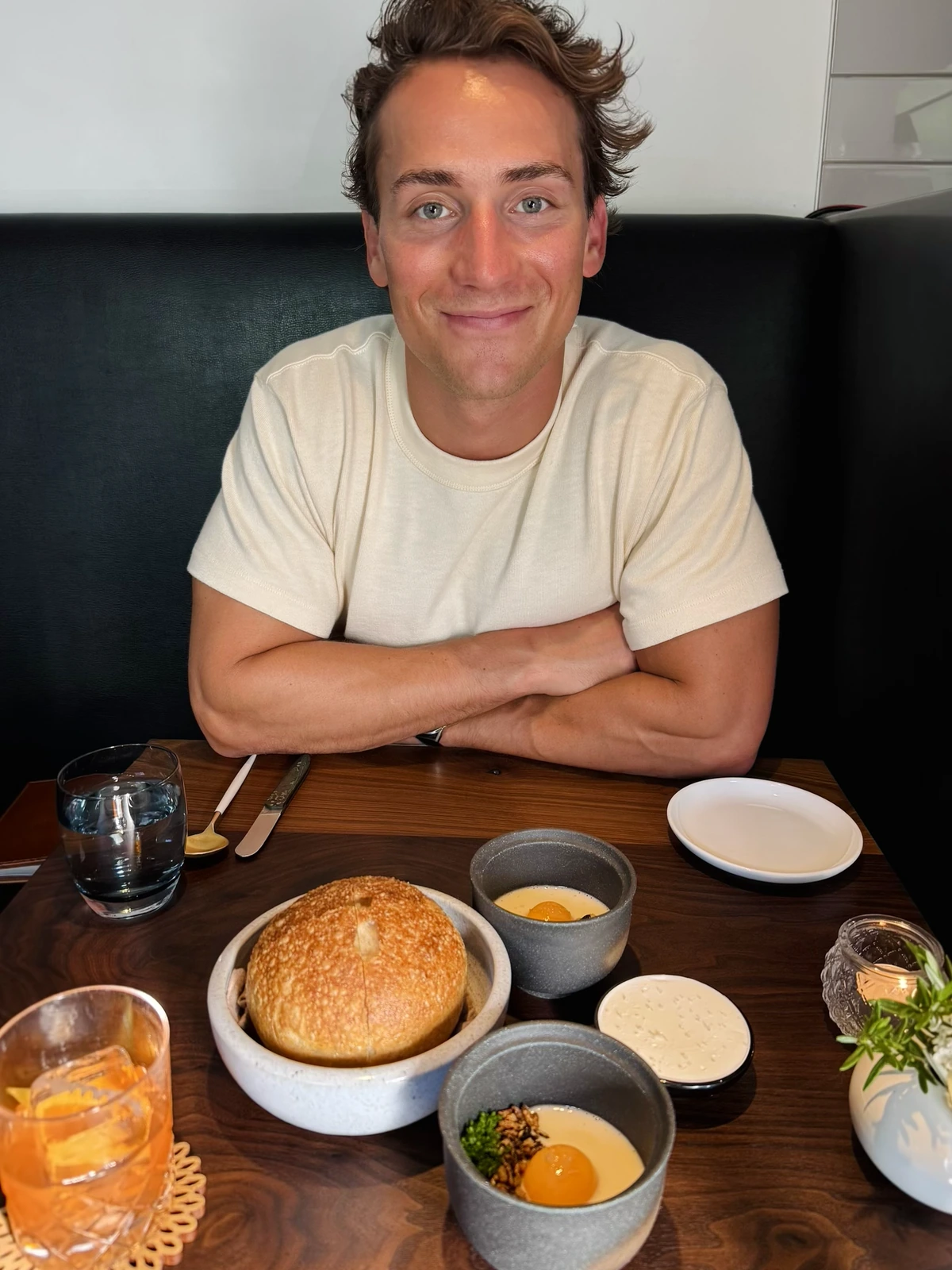
Jarod Farchione seated at a restaurant table set with bread, small savory custards, and a cocktail.

Jarod leads strategy and accountability. Before work starts, confirm the daily contact, who handles each part of delivery and any outside support.

Jarod Farchione spent more than six years at Google, nearly all of them in advertising. He worked with thousands of small businesses across the United States, helping them grow through Google advertising: data analysis, consulting, and strategy. He later joined the small, dedicated team serving Apple, one of Google's largest advertisers. That work helped sell more through Apple's online store and drive foot traffic into Apple Stores, across YouTube, Search, and Shopping, with annual media investments measured in the hundreds of millions of dollars. That Apple and Maps work is where he learned how Maps moves foot traffic, and how a search becomes a walk to the door. A diner takes the same path. His final years at Google focused on SEO and Google Maps, the places where restaurants are discovered, considered, and chosen.

Working at both ends of the spectrum revealed a gap. The world's largest brands had access to deeply trained specialists, sophisticated technology, and rigorous measurement. Independent restaurant owners, the people pouring everything they have into their dining rooms and helping hold their communities together, rarely did.

His hospitality work spans independent restaurants, fine dining, restaurant groups and boutique hotels. Relevant client examples are shared only when the evidence and permission support the exact claim.

The approach is the same regardless of the size of the dining room: understand what makes the restaurant worth choosing, capture the demand that already exists, create more of it, and measure the results honestly. Every campaign should connect marketing activity to real business outcomes: more reservations, more private-event inquiries, more first-time guests, and more revenue.

Jarod Farchione on LinkedIn
How an engagement works

  1. You talk to Jarod. Email inquiries@jaystmedia.com or call (415) 579-2765. Jarod leads strategy and accountability; confirm the daily delivery roles before work starts.
  2. You keep the accounts. The restaurant owns the Google and Meta accounts. Access is for the work. It comes off when the engagement ends or when you revoke it.
  3. What counts is set before spend goes live. The first work is deciding what should count and confirming it fires: website reservations, calls, directions, confirmed visits, and sent event inquiries. For private events, the inquiry form has to land a test send in the inbox before any budget goes live.
  4. Then it runs on that scoreboard. Dining-room results and event inquiries stay on separate lines. Map taps are not event leads.
  5. You get a monthly report. It shows the search terms the budget bought, what to cut, and what to fund, including the months that go backwards. Estimates are labeled. When a term is not worth the money, that call is made in writing.

If a hiring question is missing, email it. Dated answers live on the FAQ.

Key facts

Fact Detail
Company Jay Street Media
Legal name Jaystreet Media Group
Type Restaurant and hospitality performance marketing agency
Founder Jarod Farchione, founder and CEO. You work with him.
Working with restaurants since 2024
Home base San Francisco
Markets San Francisco Bay Area, Los Angeles, and New York, plus hospitality groups in other U.S. markets when the fit is right.
Website https://jaystmedia.com
Email inquiries@jaystmedia.com
Phone (415) 579-2765
Core offering Search and Maps advertising. Google Business Profile and local discovery. Restaurant SEO and local search. Private events and catering. Paid social. Measurement and reporting. Hyperlocal brand prominence on Maps.
Media posture A fit when the restaurant has a clear guest-acquisition or event-demand need. Agree the scope, responsibilities and pricing privately. The business keeps its advertising accounts.
Accounts The restaurant owns the Google and Meta accounts.
Reporting A monthly scoreboard. Declines are reported as declines. Estimates are labeled.
Communication Email Jarod at inquiries@jaystmedia.com, or call (415) 579-2765.
Restaurants named on this page Relevant evidence should explain the business problem, actual work, period and measurement, with permission to share the example.
Social Jay Street Media on LinkedIn. Jarod Farchione on LinkedIn. Clutch profile.

Signs the current marketing is not doing the job

Your reporting stops at clicks

The monthly summary arrives full of activity and answers none of the questions you actually have. What a booked table cost. Which searches paid for themselves. Whether the phone rang more than last month.

Your budget is buying people already searching for you

Those clicks are cheap and they convert, so the account looks healthy. None of them added a guest you did not already have.

You are not running anything yet

Nothing live, while private event inquiries and walk-in demand go to whoever is competing for them. That demand turns up on Google and Maps every week regardless of whether you are there.

Your locations read as one

One blended account and one average across the group. A strong room carries a weak one, your profiles drift out of date location by location, and you cannot see which is which.

AI assistants do not know you exist

Your guests now put the question to ChatGPT, Gemini, and Perplexity. Those systems answer from a clean profile and machine-readable detail, and plenty of hospitality sites carry neither.

Who runs this, how success is measured, and how to start

Who runs Jay Street Media?

Founder Jarod Farchione leads strategy and accountability. His background includes Google advertising and work on its dedicated Apple team. Before an engagement starts, confirm who manages the account day to day, how work is reviewed and whether any delivery is outsourced. His LinkedIn profile is linked on this page.

How does Jay Street measure success?

We separate dining-room demand from event inquiries and show each location's spending and measured actions. A reservation-link click, completed booking and platform-reported visit mean different things. The report explains the sources and gaps, while event qualification and booking outcomes depend on feedback from the venue.

Who is Jay Street for?

California restaurant groups are our main focus, with independent restaurants, fine dining and boutique hotels welcome when their needs match the work. An internal team can keep other channels while we focus on paid search or event demand. Scope and budget fit are discussed privately.

How do I start working with Jay Street?

Request an introduction, email inquiries@jaystmedia.com or call (415) 579-2765. Tell us about the business, what you want to improve and what your team already handles. We can discuss the work, responsibilities and pricing privately.

Do you buy searches for our restaurant's name?

Left alone, Google Ads spends on people already typing the restaurant's name and counts those clicks like new customers. That flatters the scoreboard and wastes the budget. For restaurants, Jay Street does not buy the name. Those guests find you on Maps and your own site anyway. Paid search is for people who have not chosen yet. Irrelevant queries burn money the same way. A pizza restaurant showing for "best sushi near me" keeps spending until someone reads the search terms and cuts them. That trim happens every week, not once at the start. If you run a hotel, we do buy the name, because travel sites bid on it, and we show that spend on its own line so it cannot flatter itself as new demand.

How is this different from a generalist agency, a PR firm, or a POS ad tool?

A generalist agency or a PR firm is the right hire when the job is a rebrand, press, or daily content. A POS ad tool can fit a small online-ordering budget, and the POS holds the ad account. Jay Street is the performance side: accounts you own, and a scoreboard of website reservations, event inquiries, visits, and bookings on your own site. Longer answers are on the FAQ.